
Three ways to add a suite
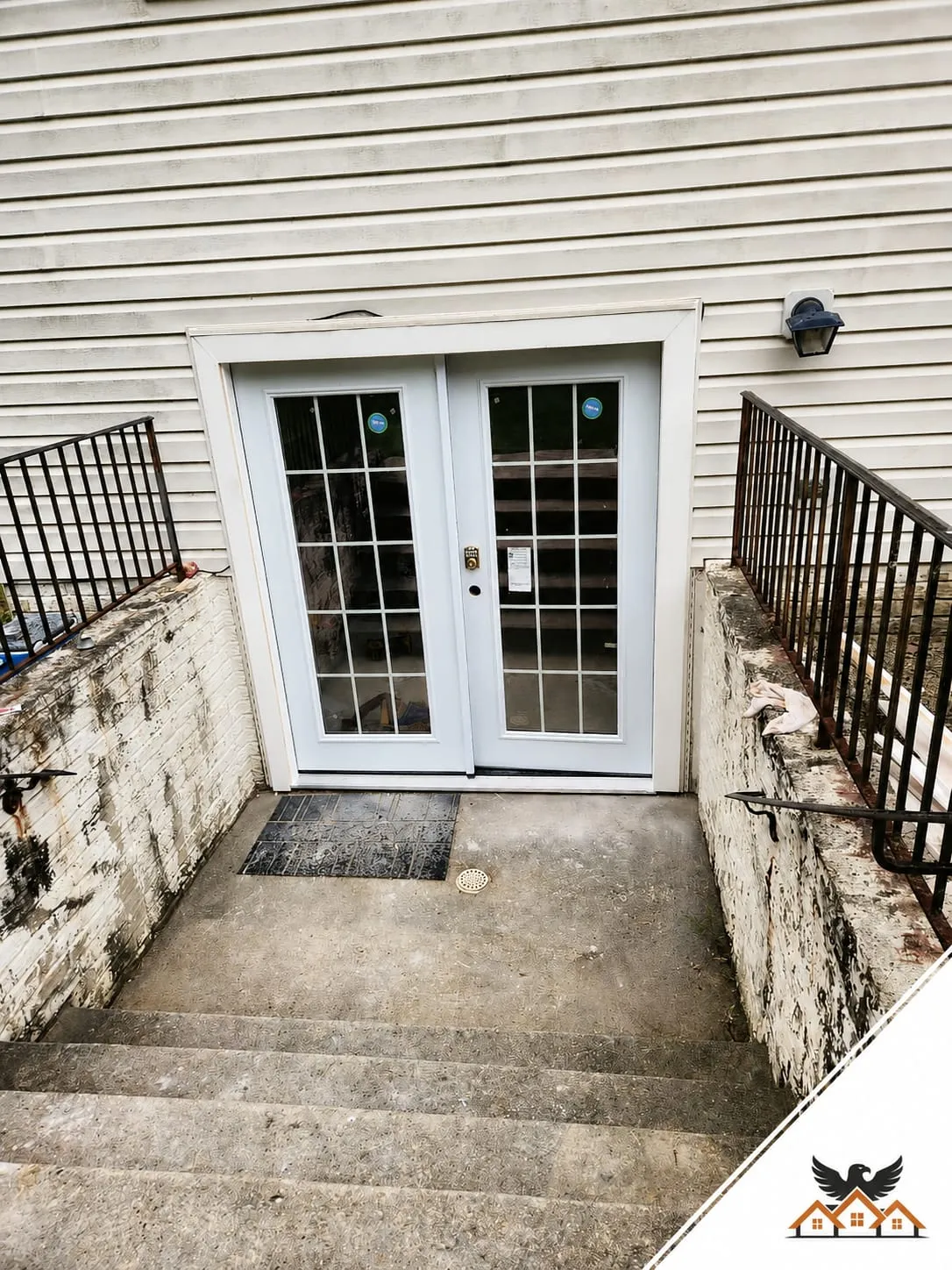
A ground-floor addition is the gold standard: bedroom, accessible bath, sitting space and often a kitchenette, with a private entry and no stairs anywhere. A basement suite costs less when egress and ceiling height cooperate, and suits younger occupants best. Converting existing space — a garage, a rarely used formal living room — is fastest, but trades away the space and sometimes the parking. Our additions process prices all three against your house before you commit to one.
The details that make it work for twenty years
Wide doorways and a curbless shower are not just aging-in-place features; they are good design for everyone. Add sound insulation between the suite and the main house, a separate heating zone, real light (windows sized for a room someone lives in, not a guest stopover), and storage that assumes permanence. A kitchenette — sink, under-counter fridge, microwave drawer — preserves independence without a full second kitchen's cost or code burden.
Zoning and county rules: check before you design
Maryland counties regulate accessory dwelling units differently. Montgomery County allows accessory apartments under defined conditions; other counties treat in-law suites as additions with occupancy and kitchen restrictions that vary by zoning district. The rules decide things like whether a full stove is allowed and whether a separate entry faces the street. We research your parcel's rules during design, so the suite you fall in love with is the suite your county will permit.
Budget and value
Suites price inside our addition range of $120,000–$325,000 depending on whether the space is new construction or conversion, and whether a bath and kitchenette are included. Against assisted-living costs, most families recover the investment in a few years — while the suite later serves as a guest wing, an office, or rental-ready space where rules allow. Talk it through at a free in-home consultation: call (240) 266-8317.
Frequently asked questions
Does an in-law suite need its own entrance?
It is strongly recommended — independence is the point of the suite — and some counties require a separate entry for an accessory unit. We design entries that look original to the house.
Can the suite have a full kitchen?
It depends on your county and zoning. Many Maryland jurisdictions allow a kitchenette but restrict full kitchens in accessory units. We confirm your parcel's rules before design begins.
Is a ground-floor suite better than a basement suite for a parent?
For most parents, yes: no stairs, garden-level light, and a private entry. Basements suit younger occupants and tighter budgets when egress and ceiling height meet code.